
How Can You Get Personal Branding Photos Without an In-Person Photoshoot?
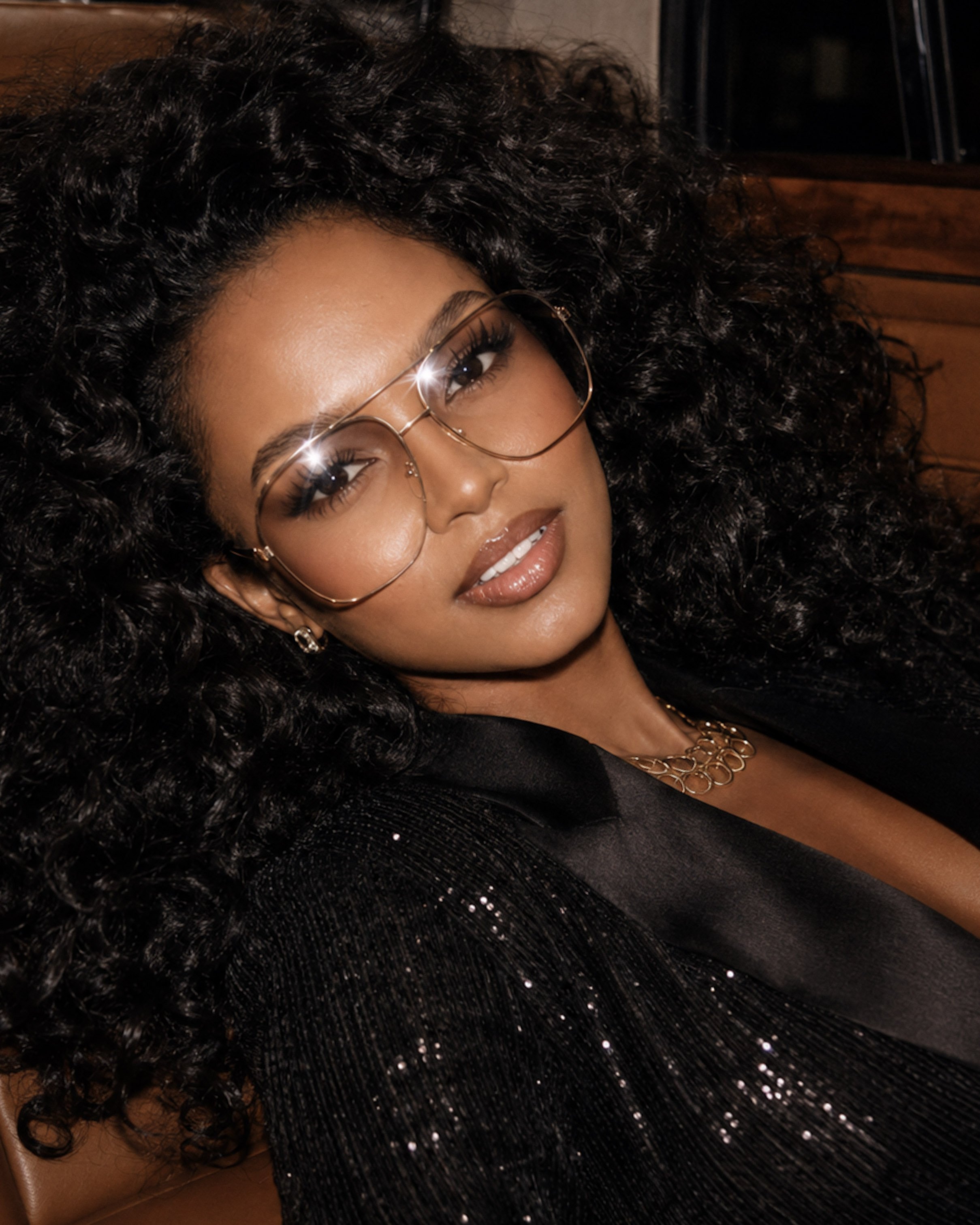
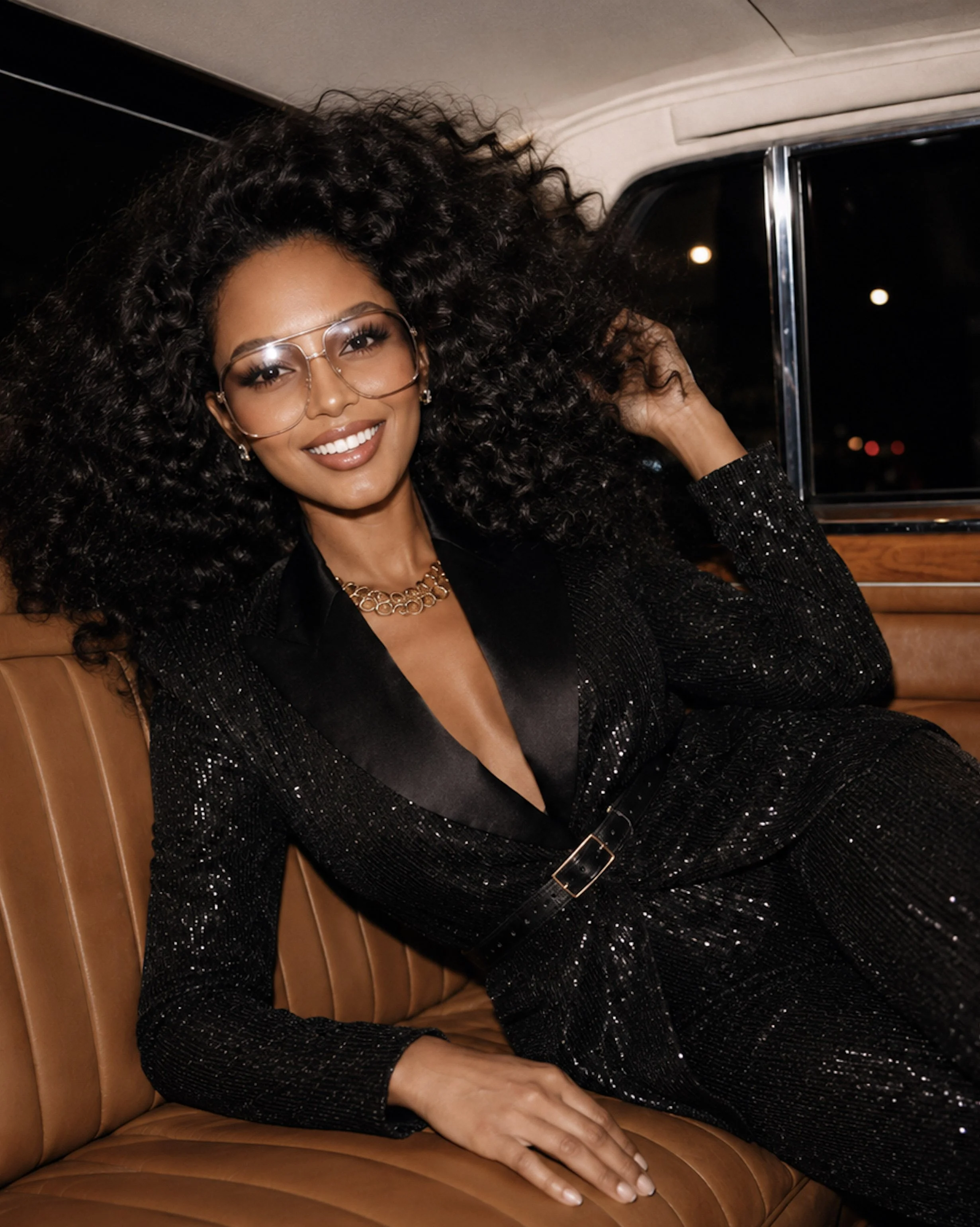
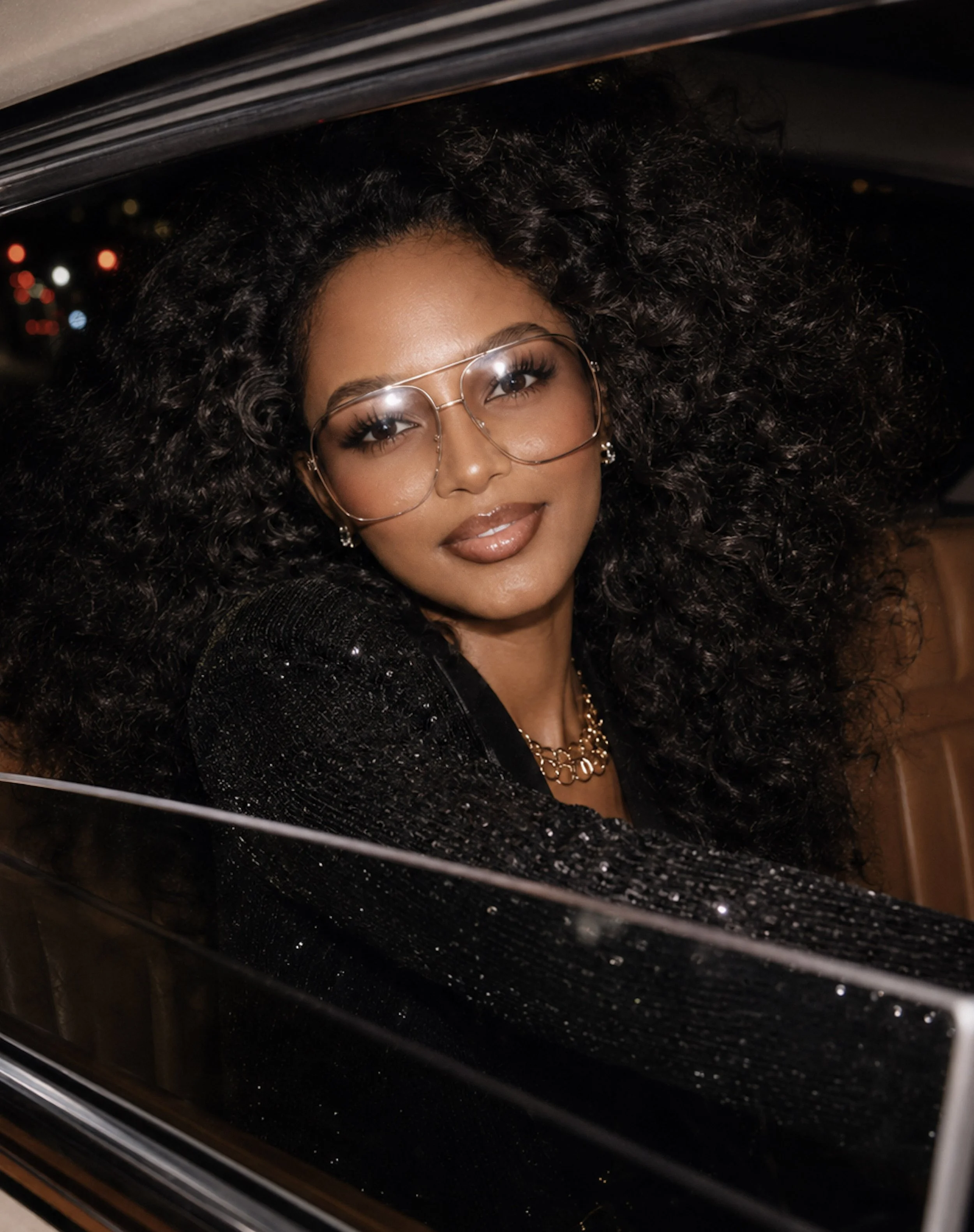
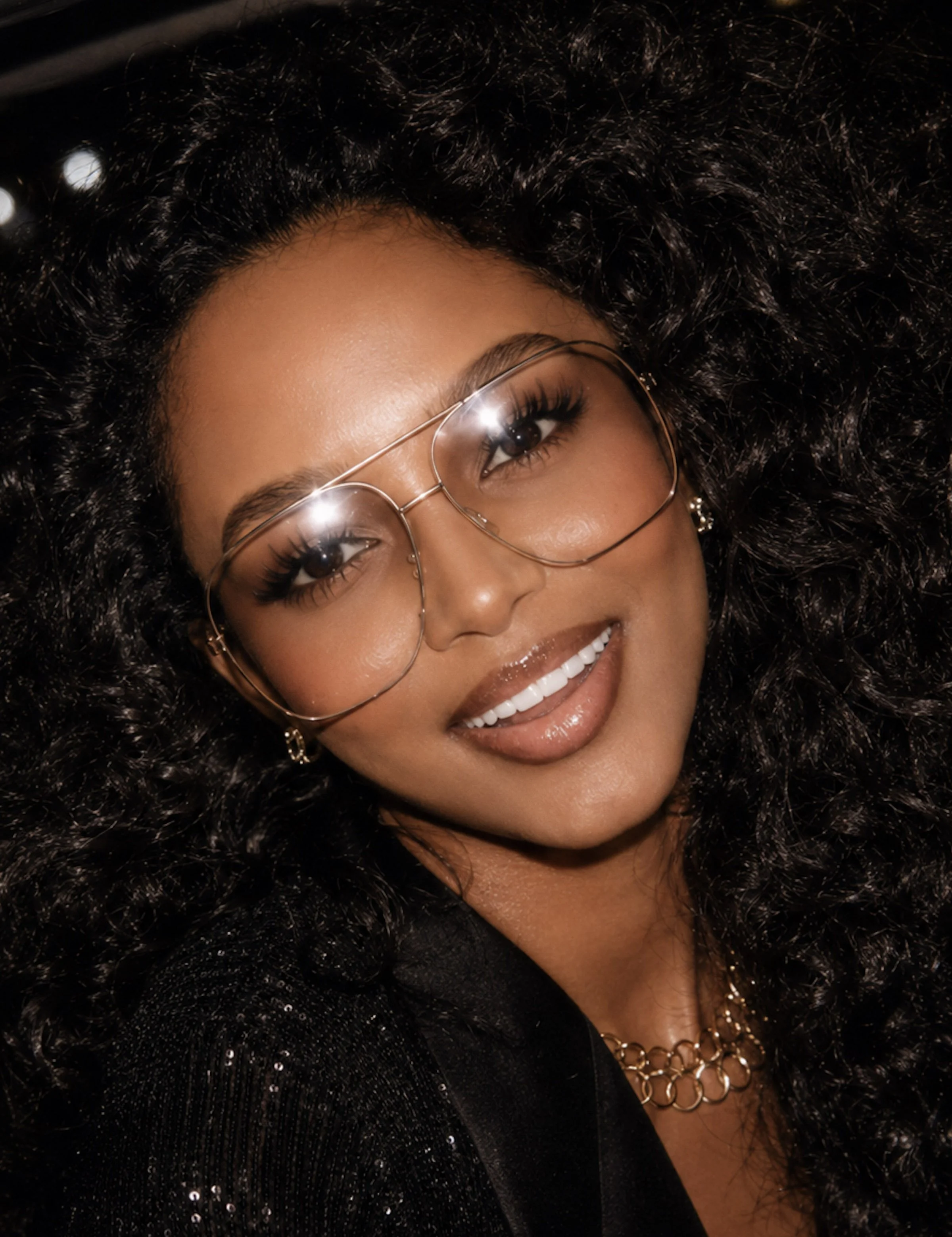
A traditional personal branding photoshoot can be exciting. You have the concept, the mood board, the outfits, the location, and this whole vision in your head of what the final photographs are going to look like.
Then comes everything required to actually make that vision happen.
As a photographer, I know how much preparation can go into a single branding shoot before I ever press the shutter.
There may be a studio or location to book. Outfits need to be planned. Hair and makeup appointments have to line up with the shoot time. Equipment has to be prepared. If we're shooting outdoors, I'm checking the weather and watching the light. If other people are involved, everyone has to arrive where they're supposed to be, when they're supposed to be there.
And the client is preparing too.
They may be buying clothes specifically for the session, getting their hair done, scheduling a makeup artist, rearranging their workday, traveling to the location, and trying to show up rested and ready to be photographed.
By the time shoot day arrives, there can be quite a bit of money, time, and energy riding on a few hours.
And then you hope everything goes right.
You hope it doesn't rain.
You hope the makeup artist shows up.
You hope nobody gets stuck in traffic.
You hope the location looks the way you expected.
You hope the clothes fit and photograph well.
You hope the light cooperates.
You hope the client feels comfortable in front of the camera.
You hope their hair behaves.
And after putting all of that together, you still need to create enough strong photographs to justify everything that went into making the shoot happen.
I actually love that process. There is an energy to a traditional photoshoot that I don't think technology needs to replace.
But I also know from experience how much has to come together at exactly the right time.
That is one of the reasons I became interested in what AI-assisted photography could make possible.
What if getting a complete personal branding photo library didn't always require coordinating all of those moving parts on one day?
What if someone could send me clear photographs of themselves, tell me what they were trying to communicate with their brand, and I could approach the project with the same questions I would ask when planning a traditional photoshoot?
What are we trying to say?
Who needs to see these photographs?
Where are they going to be used?
What should this person wear?
What kind of environment makes sense?
What should the lighting feel like?
Which images need to feel polished, and which ones should feel more candid?
That, to me, is where AI-assisted personal branding photography becomes interesting.
It isn't just about generating pictures of someone.
It's about taking much of the creative planning and photographic direction of a branding shoot and separating it from all of the logistics that traditionally have to happen on shoot day.
What Are Personal Branding Photos?
Personal branding photos are professional images created to represent you and your work across different parts of your business or professional life.
Unlike a basic headshot, which usually focuses primarily on your face and shoulders, a personal branding session can include different poses, outfits, locations, crops, expressions, environments, activities, and visual moods.
You might need one image for your website homepage, another for your About page, something more polished for LinkedIn, a horizontal photograph with room for text, and a few more relaxed images for social media.
That is why I don't think of personal branding photography as simply making someone look good in several different pictures.
You're building a library of photographs that has a job to do.
Can Personal Branding Photos Be Created Remotely?
Yes.
There are several ways to do a remote photoshoot, and they are not all the same.
Some photographers conduct live remote sessions through a phone or camera app. The client is still photographed in real time, but the photographer directs the session from another location.
The process I use is different.
The client provides clear reference photos, and I use those as the visual foundation for creating new portraits with AI-assisted imaging.
There is no live camera session.
That means the final portrait can have a different outfit, environment, pose, lighting setup, or overall style from the original reference photo.
The reference photo tells me what the person looks like. It does not have to already look like the finished image.
Why Personal Branding Is Different From a Basic AI Headshot
A headshot usually has one primary job: show people what you look like professionally.
Personal branding photography has to do more.
The images might need to show that you are approachable, experienced, creative, luxurious, modern, warm, authoritative, relaxed, innovative—or some combination of those things.
Sometimes several of those qualities need to exist within the same photo collection.
That requires planning.
If I am creating five branding images for someone, I am not just thinking, “How can I make five nice pictures?”
I am thinking about how the images work together.
Do we need one strong portrait for the homepage?
A more relaxed image for the About page?
A horizontal photograph with negative space for website text?
A closer portrait for LinkedIn?
Something more candid for social media?
That is where the photography part of the process matters.
Why I Wouldn’t Just Generate a Bunch of Random AI Photos
One of the easiest mistakes with AI is assuming that more images automatically means a better photoshoot.
It doesn’t.
You can generate fifty technically impressive pictures and still not have the five images you actually need.
A personal branding set should have a purpose.
If every photo has the same crop, expression, outfit, and visual energy, you do not really have a branding library. You have variations of one portrait.
On the other hand, if every image looks completely unrelated, the collection can lose cohesion.
There needs to be enough variety to make the photographs useful while still making them feel like they belong to the same person and brand.
Start With Where the Photos Will Be Used
This is one of the first things I think about.
Before worrying about wardrobe or background, ask:
Where are these photographs going?
That question changes everything.
A website hero image may need a horizontal composition and open space for text.
An Instagram profile image needs to work very small.
An About page portrait can be more relaxed and personal.
A speaker bio may need something polished and authoritative.
A real estate agent may need images that feel connected to architecture and property.
A therapist may need something professional but warmer and less corporate.
Once the intended use is clear, the creative decisions become much easier.
Your Brand Should Influence the Photography
Personal branding is not just about what you look like.
It is also about context.
The same person can communicate very different things depending on the lighting, clothing, environment, expression, and composition.
Imagine the same entrepreneur photographed in a dark tailored suit against a charcoal studio background, then in a relaxed knit top inside a bright modern office, then in a bold fashion-forward outfit in an architectural setting.
All three images could be professional.
But they would communicate three different brands.
That is why the goal should not simply be to make someone look “professional.”
It should be to determine what professional means for that particular person.
Do Your Reference Photos Need to Be Professional?
No.
Clear phone photos can be enough.
What I need from reference photos is accurate information about what you look like.
The strongest reference photos are usually:
Recent
Well lit
In focus
Free of heavy filters
Clear enough to see your features
Representative of your current appearance
It also helps to have more than one angle.
I am not looking at your reference photo and thinking the background or clothing needs to stay the same.
Those are separate creative decisions.
Can You Change Your Outfit?
Yes, and this is one of the biggest advantages of creating personal branding images this way.
You may not own the exact outfit you want for a particular image.
Or maybe you have the right clothes but no photograph of yourself wearing them.
AI-assisted imaging can make it possible to create a new wardrobe as part of the portrait.
But I still think wardrobe choices should make sense for the person.
Just because something looks expensive or fashionable does not mean it supports the brand.
The clothing should help tell the same story as the rest of the portrait.
Can You Use Different Backgrounds and Locations?
Yes.
A personal branding set can include different environments without requiring you to physically travel to each one.
That might include:
Modern offices
Architectural interiors
Outdoor urban environments
Studios
Luxury residential spaces
Creative workspaces
Neutral interiors
Professional environments connected to your industry
Again, I think the important question is not, “What background looks cool?”
It is:
What environment makes sense for this person and the work they do?
Does Every Photo Need to Look Perfect?
No.
In fact, I usually think a personal branding collection becomes stronger when every photograph does not feel overly posed or polished.
A strong set might include one formal portrait, one relaxed seated image, one candid-looking photograph, one tighter headshot, and one environmental image.
That variation makes the collection feel more like an actual photoshoot.
Not every photograph needs to look like it was created for the cover of a magazine.
Sometimes the slightly more casual image becomes the one people connect with most.
What About Skin and Retouching?
The same principle I use for headshots applies here.
The goal is not to erase the person.
Skin can be polished without becoming plastic.
Temporary blemishes can be softened.
Lighting can be improved.
Under-eye shadows can be reduced.
But if every pore, wrinkle, line, and natural variation disappears, the photograph often starts to feel less believable.
And that is especially important for personal branding because people are often using these images to build trust.
You want people to recognize you.
Can Personal Branding Photos Include Appearance Changes?
They can, but I think there should be a clear difference between styling and changing someone’s identity.
Changing an outfit, hairstyle, makeup style, or background can still leave the person completely recognizable.
More significant appearance changes require more judgment.
Whenever I am working on a professional portrait, I come back to the same question:
If someone met this person tomorrow, would the photograph still feel honest?
That matters more to me than whether the image looks flawless.
Why Photographer Direction Still Matters With AI
AI gives us an enormous amount of creative flexibility.
But flexibility can also become a problem when there is no clear direction.
You can change almost everything.
That does not mean you should.
A photographer still has to decide:
Which pose works?
What lens perspective makes sense?
How should the image be cropped?
Does the background support the subject?
Does the wardrobe make sense?
Does the lighting match the environment?
Does the collection feel cohesive?
Does the person still look like themselves?
Those decisions are what turn a group of generated images into something that actually feels like a photoshoot.
Who Is This Kind of Personal Branding Photoshoot Good For?
A remote AI-assisted branding session can work especially well for:
Entrepreneurs
Consultants
Coaches
Real estate agents
Authors
Speakers
Therapists
Creators
Freelancers
Small-business owners
Professionals building a stronger online presence
It can also be useful for anyone whose existing professional photos no longer reflect their current brand.
When a Traditional Photoshoot May Still Be Better
I do not think every photoshoot should be remote.
If you need highly specific interactions with products, elaborate physical sets, large groups of people, complicated movement, or something that depends heavily on being in a particular real-world location, a traditional photoshoot may still be the better choice.
The point is not that AI-assisted photography replaces every kind of photography.
It gives people another option.
And for many personal branding needs, that option can be much more practical.
Personal Branding Without the Traditional Photoshoot
A personal branding photoshoot should give you a collection of images that actually helps you communicate who you are professionally.
That requires more than changing backgrounds and outfits.
It requires planning, consistency, restraint, and an understanding of how each image will be used.
AI has made it possible to create those photographs in ways that were not practical before.
But I still approach the process the same way I approach portrait photography:
Start with the person. Decide what the image needs to communicate. Then choose the tools that help get you there.
